
Gold and Silver as Portfolio Anchors: Why Investors Own Them and How to Get Started
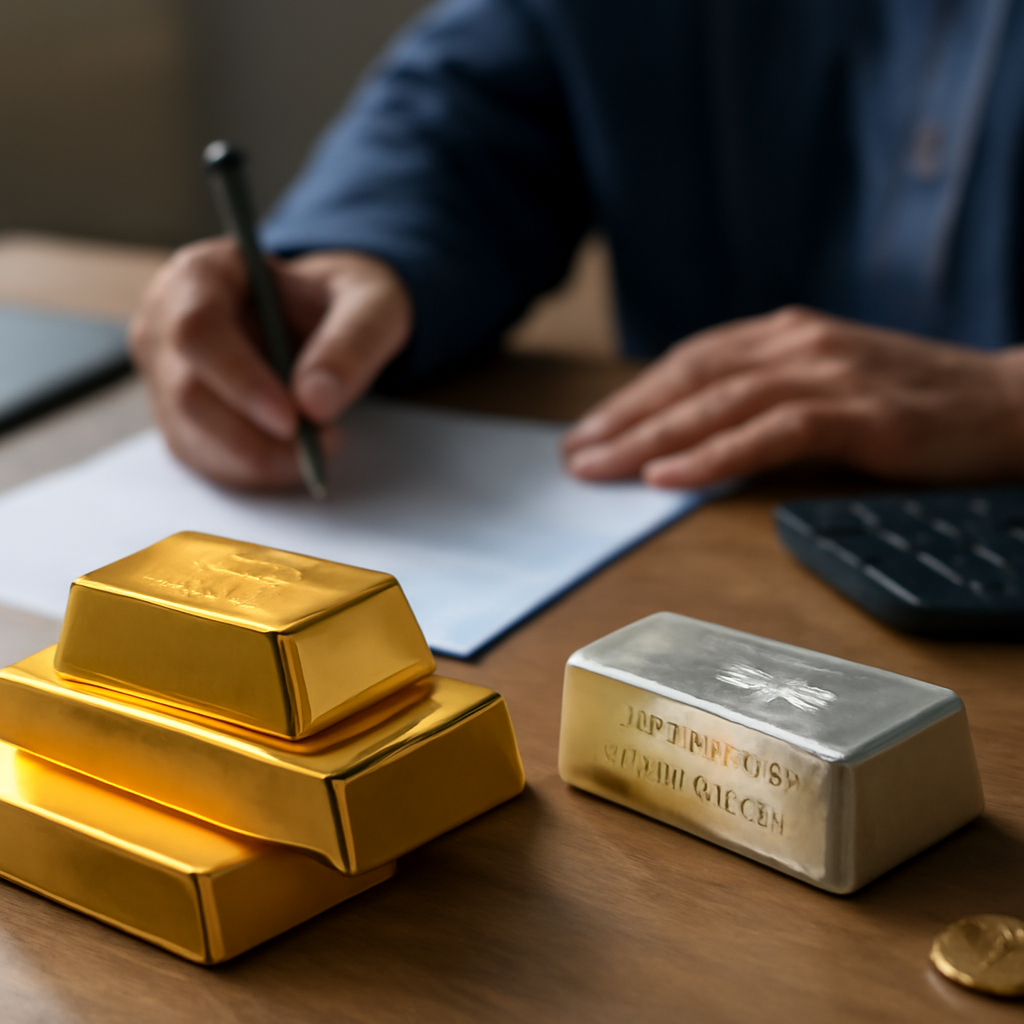
What makes gold and silver different from stocks and bonds? Unlike equities, which depend on corporate earnings, or bonds, which rely on creditworthiness, precious metals have intrinsic physical value—they cannot become worthless. They exist outside the traditional financial system, which is precisely why investors have held them for thousands of years and why many still do today.
The most commonly cited reason to own gold or silver is inflation protection. When the purchasing power of currency declines, the nominal price of precious metals typically rises alongside other tangible assets. This relationship isn't perfect or immediate, but over long periods, gold has historically retained its real (inflation-adjusted) value while currencies have fluctuated. Silver, more volatile but also more industrially useful, behaves somewhat differently; it responds to manufacturing demand as well as monetary factors.
A second driver is portfolio diversification. Gold and silver often move independently from stocks and bonds—sometimes rising when equities fall. This inverse correlation can reduce overall portfolio volatility, though the effect varies depending on market conditions and time horizons. Rather than chasing returns, many investors view precious metals as ballast, a ballast that costs patience rather than yield.
Geopolitical uncertainty also influences holdings. During periods of political tension or currency instability, demand for precious metals historically increases. Investors in regions with unstable currencies or capital controls may hold physical gold as a portable, borderless store of value. This appeal persists even when macroeconomic fundamentals are stable, because the risk remains.
How do you actually own gold or silver? The options range widely. Physical bullion—coins or bars stored at home or in a vault—offers complete ownership but requires secure storage and insurance. Jewelry combines utility with precious metal exposure, though premiums are higher and resale value lower than bullion. Exchange-traded funds (ETFs) tracking spot prices provide ease and low cost but no physical metal. Sovereign Gold Bonds, offered by some governments, provide periodic interest payments alongside gold price appreciation. Mining stocks offer equity exposure to the precious metals sector, with leverage to price movements but also company-specific risk. Digital gold platforms allow fractional ownership with low minimums, though counterparty risk applies.
Several factors move gold and silver prices daily. Interest rates matter greatly: rising rates increase the opportunity cost of holding non-yielding metals, while falling rates support prices. Currency strength plays a role too, since precious metals are priced globally in dollars; a weaker dollar typically makes metals more affordable internationally and supports demand. Central bank policy, real yields, and inflation expectations all exert influence. Silver's industrial uses—in electronics, solar panels, and medical applications—create a supply-demand dynamic distinct from gold's primarily monetary demand.
Before making any decision, check a live price source. Gold and silver prices fluctuate continuously; any price mentioned here would be instantly outdated. Professional pricing sources, commodity exchanges, and major financial platforms offer real-time quotes and historical charts that inform actual investment timing.
Ultimately, gold and silver serve different purposes in different portfolios. For some, they're crisis insurance. For others, they're a modest diversifier. Consider your own financial situation, time horizon, and risk tolerance. A licensed financial advisor can help you decide whether precious metals belong in your portfolio and in what form.