
Gold and Silver as Portfolio Anchors: Why Investors Still Buy Precious Metals in Modern Markets
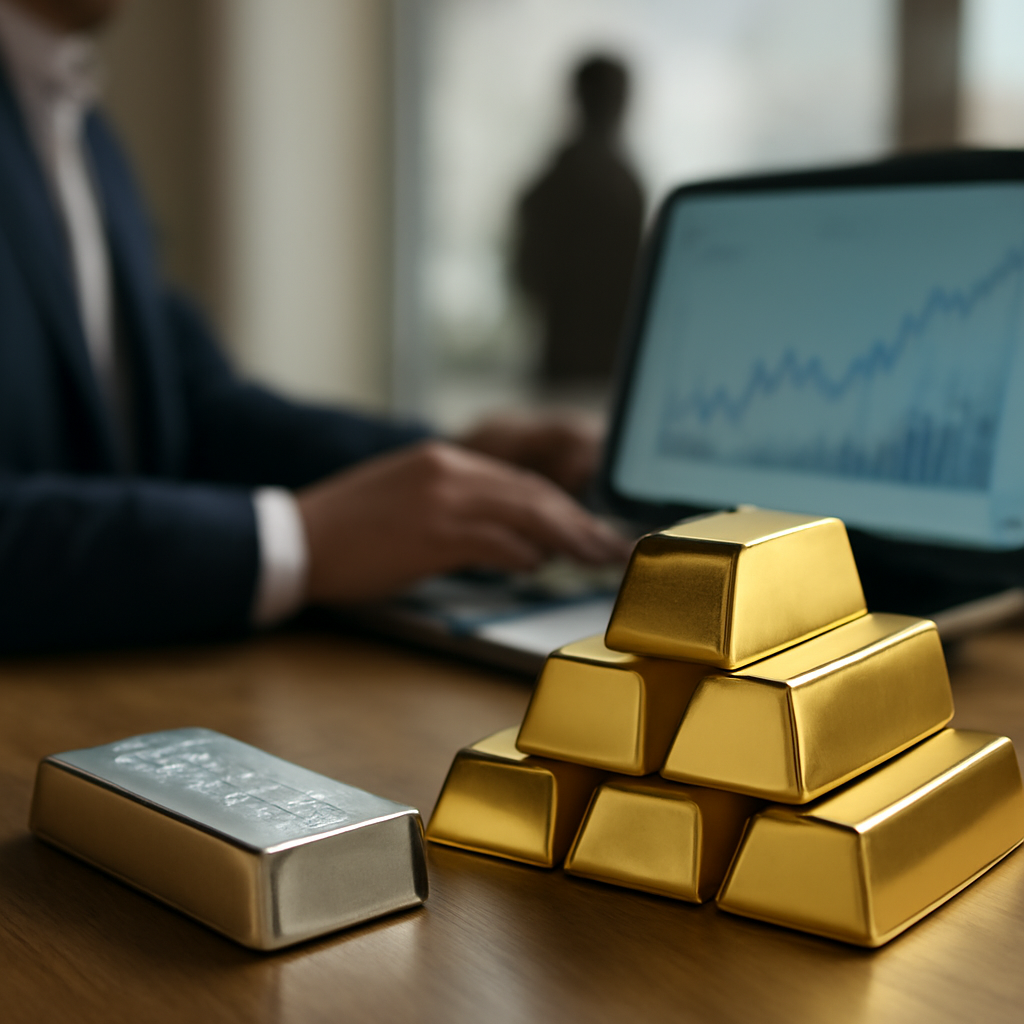
Should your investment portfolio include physical precious metals, or are they relics of a bygone era? The answer depends on your financial goals, risk tolerance, and investment timeline—but understanding the reasoning behind gold and silver ownership can help you make an informed decision.
Precious metals have occupied a unique place in investor portfolios for centuries, and their appeal persists today. The primary draw is their perceived role as an inflation hedge. When the purchasing power of currency weakens, gold and silver historically tend to hold or increase in value, potentially offsetting losses in other areas of a portfolio. This doesn't happen automatically or instantly—price movements vary based on many factors—but the relationship between inflation expectations and precious metals demand remains a fundamental reason investors hold them.
Beyond inflation protection, gold and silver offer portfolio diversification. These assets often move independently of stocks and bonds, meaning they may gain value when equities stumble. During periods of economic uncertainty or geopolitical tension, investors frequently increase their precious metals holdings, seeking a perceived safe haven. This demand dynamic can support prices even when traditional investments struggle.
There are multiple routes to gaining precious metals exposure, each with distinct advantages and drawbacks. Physical ownership—coins, bars, or jewelry—offers tangible assets you can hold directly, though it requires secure storage and insurance. Precious metals exchange-traded funds (ETFs) and mutual funds provide easier liquidity and lower barriers to entry; you buy shares through a regular brokerage account. Mining stocks tie your return to company performance rather than the metals themselves, introducing additional business risk but potentially offering leverage to price movements. Futures contracts appeal to experienced traders seeking exposure without physical delivery, though they carry substantial complexity and risk.
What moves gold and silver prices? Interest rates play a critical role. Higher interest rates make non-yielding assets like bullion less attractive relative to bonds and savings accounts, often pressuring prices downward. Conversely, low rates can support precious metals demand. Currency strength matters too: when the U.S. dollar strengthens, gold and silver typically become more expensive for international buyers, which can weigh on prices. Conversely, a weakening dollar can boost demand.
Geopolitical instability, trade tensions, and major economic policy shifts also influence prices. During uncertain times, investors may flock to perceived safe assets, driving precious metals higher. Inflation data, central bank policy decisions, and corporate earnings reports can trigger price swings as investors reassess economic conditions and asset valuations.
An important reality: gold and silver prices fluctuate daily, sometimes significantly. Before making any investment decision, check a live price source such as a major bank's precious metals desk, a jewelers' association website, or a financial news platform. Prices you see online change constantly and vary slightly between dealers, so never rely on a price from hours or days ago.
For most people, precious metals represent a small portfolio component rather than a primary holding. A licensed financial advisor familiar with your complete financial picture can help determine whether gold or silver fits your strategy, how much exposure makes sense, and which ownership method aligns with your preferences and circumstances.
The debate over precious metals' role in modern portfolios continues, but their historical significance and genuine diversification benefits ensure they remain part of the investment conversation.