From Quantum Crystals to Cancer Fighters: The Science Breakthroughs Reshaping Medicine and Our Understanding of Reality
Recent months have brought a cascade of scientific discoveries that span from the subatomic to the archaeological, each challenging conventional wisdom in unexpected ways. These breakthroughs illustrate how modern research often emerges from the intersection of different disciplines, technologies, and ways of knowing.
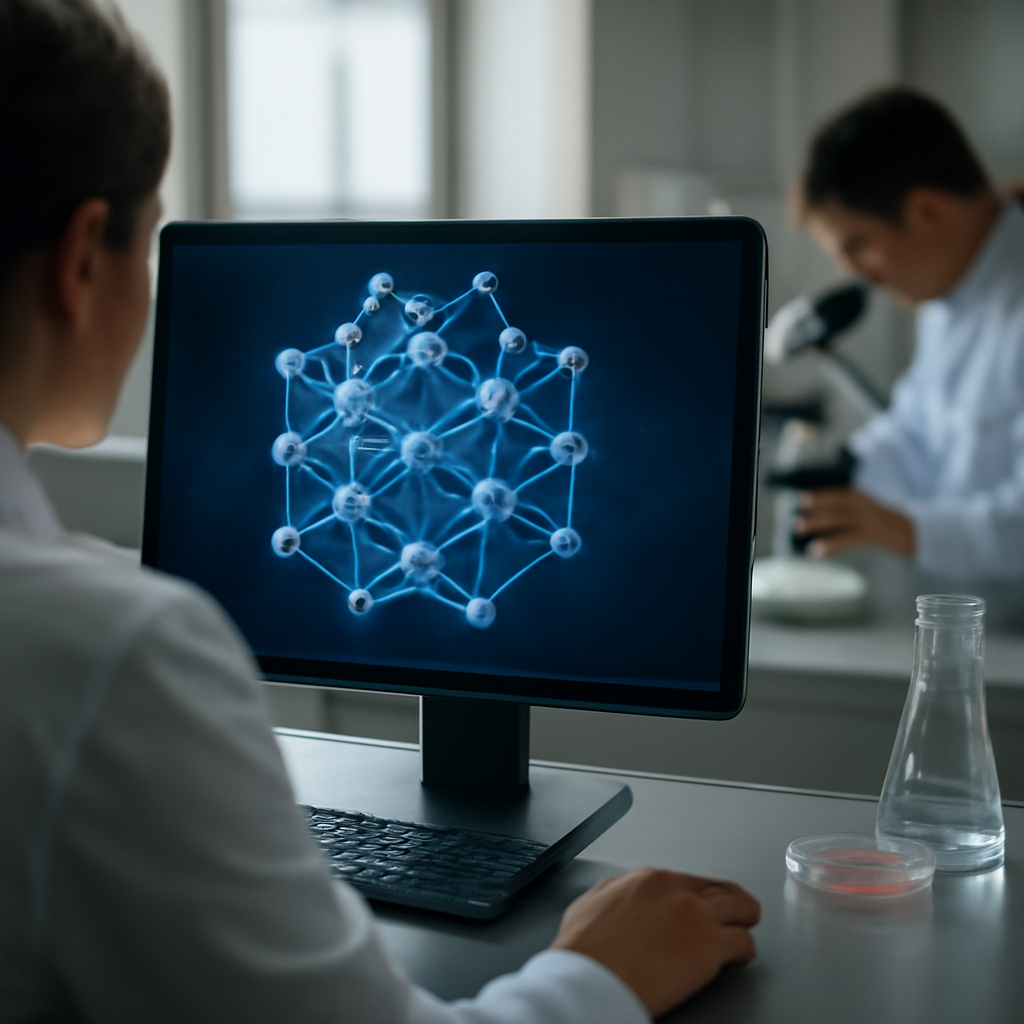
What if quantum mechanics—the physics of the impossibly small—could operate at a scale visible to the human eye? Scientists have answered this question by detecting quantum entanglement in a crystal large enough to hold in your hand, a finding that defies our usual understanding of where quantum behavior occurs. Traditionally, entanglement, the phenomenon Einstein famously called "spooky action at a distance," happens only in isolated laboratory conditions at near-absolute-zero temperatures. This discovery suggests that quantum effects may be far more prevalent in the everyday world than physicists previously believed, potentially opening new pathways for quantum computing and sensing technologies that don't require extreme cooling.
The medical field is experiencing its own revolutionary moment, particularly in treating obesity and related conditions. A new weight loss medication has demonstrated superior effectiveness compared to oral versions of Ozempic in major clinical trials, offering patients who struggle with injectable therapies an alternative option. The competitive landscape for weight loss treatments has intensified as researchers recognize that one-size-fits-all approaches to diet fail for many people. Concurrent research suggests that intermittent fasting may prove more sustainable than traditional calorie-counting for some individuals, highlighting the importance of personalized medical approaches.
Perhaps most intriguingly, researchers have discovered that creatine—long known primarily as a muscle-building supplement popular in gyms—may possess cancer-fighting properties. This finding exemplifies how compounds we thought we fully understood can reveal new therapeutic potential when examined through different scientific lenses. The mechanism remains under investigation, but the preliminary evidence suggests that creatine could support conventional cancer treatments, adding another tool to oncologists' arsenals.
Historical science is equally fascinating. Ancient DNA analysis has finally begun to explain the mysterious collapse of Europe's megalith-building civilizations—the populations responsible for monuments like Stonehenge and Carnac Stones. DNA evidence suggests major population movements and demographic shifts disrupted these societies, providing genetic answers to questions archaeologists have debated for decades.
In a compelling example of cross-cultural scientific collaboration, students are connecting NASA climate science with Indigenous knowledge systems to study coastal erosion. This approach recognizes that Indigenous communities have observed environmental patterns across centuries or millennia, offering data and perspectives that complement satellite imagery and modern monitoring tools. Such collaborations acknowledge that scientific progress benefits from diverse knowledge frameworks and lived experience.
Meanwhile, the Cottonwood Fire recently burned across Utah, serving as a stark reminder that climate and environmental science remains urgently practical. Wildfires of increasing intensity are becoming more common, making research into prevention, prediction, and mitigation more essential than ever.
These developments share a common thread: they suggest that science advances not by confirming what we already know, but by asking new questions about familiar phenomena. Whether examining quantum behavior in visible crystals, understanding weight loss through fresh biological lenses, or learning from Indigenous environmental knowledge, the frontier of scientific discovery lies in combining technologies, perspectives, and disciplines in ways previous generations couldn't imagine. The coming years will likely reveal which of these promising findings translate into transformative applications for medicine, technology, and environmental stewardship.
See the latest aggregated science headlines on AI Feeds, updated continuously throughout the day.