The Summer of Friction: Trump's Divisive NATO Visit, Iran Escalation, and Democratic Infighting Mark Turning Point
What happens when a U.S. president alienates allies, faces accelerating legal consequences, and presides over renewed military conflict simultaneously? The summer of 2026 is providing an unsettling answer.
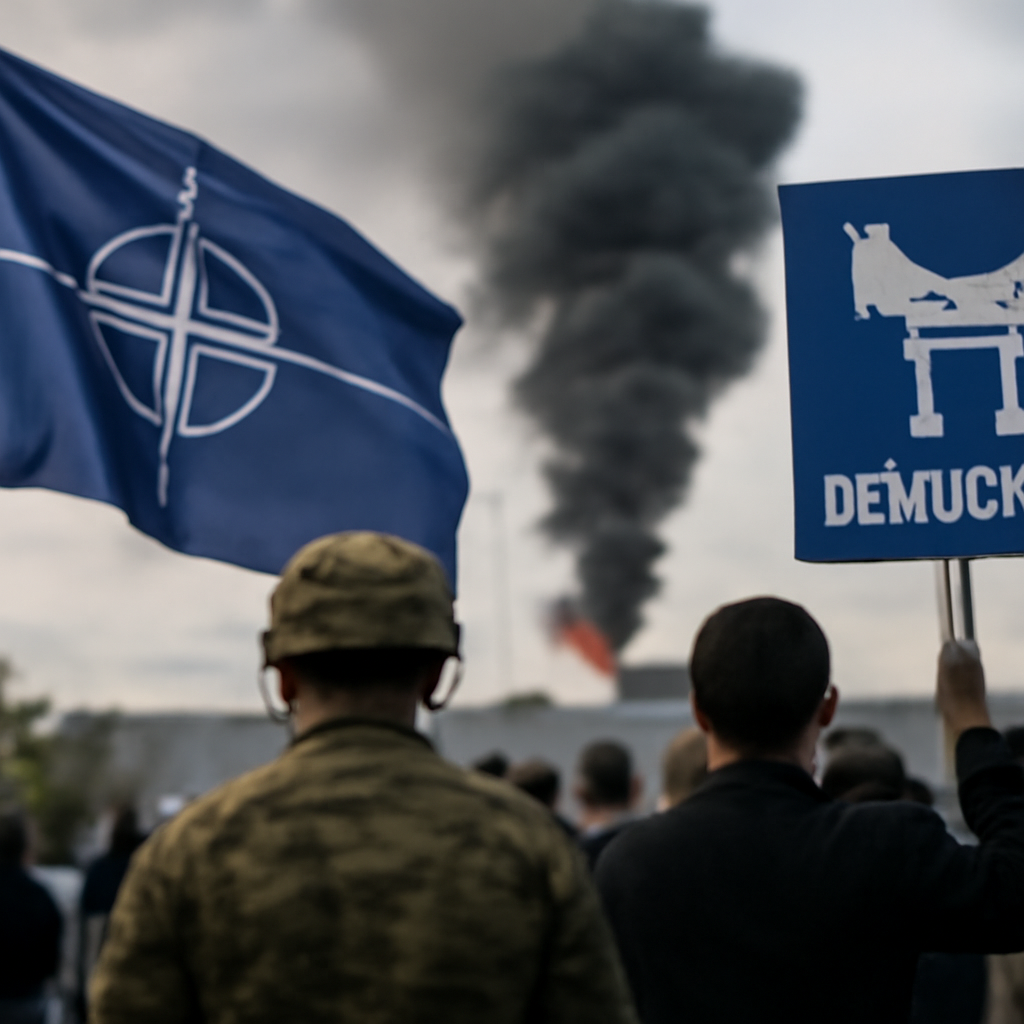
The convergence of three major storylines this month reveals an administration operating amid unprecedented friction both domestically and internationally. At NATO's summit, Trump made remarks widely interpreted as insulting toward long-standing allies, only to later claim that those same leaders expressed deep affection for him. The disconnect between his characterization and eyewitness accounts has underscored persistent questions about how allied nations navigate relationships with an unpredictable American president.
That diplomatic turbulence coincides with renewed military action. The U.S. has launched multiple strikes against Iran, with blasts reported in the southern regions of the country. These operations come amid deep divisions within Iran itself over whether to pursue negotiations with Washington. The timing raises uncomfortable questions: Are diplomatic off-ramps closing just as military escalation increases? Intelligence analysts and foreign policy experts are parsing the signals from Tehran, where factions appear genuinely split on whether American strikes indicate negotiation failure or precede a potential pivot toward talks.
Back home, Trump faces more immediate financial consequences. A judge ordered the release of a five-million-dollar judgment owed to E. Jean Carroll, a development that keeps Trump's legal jeopardy in constant public view. The accumulating weight of civil judgments, criminal convictions in some jurisdictions, and ongoing cases has created a unique situation: a sitting president with mounting legal exposure and financial obligations, even as he commands the military apparatus and American diplomatic infrastructure.
Perhaps most revealing about the current moment, however, is the Democratic frustration with Graham Platner's reluctance to exit a Maine race expeditiously. When a party cannot orchestrate the orderly departure of a candidate in a state where the calculus seems clear, it signals deeper organizational challenges. Questions persist about whether Platner will ultimately step aside and, if so, whether such a move would come too late to prevent damage to Democratic prospects in a competitive cycle.
The entertainment world has offered its own reflection of the cultural moment through the Emmy nominations, which generated the expected controversies. The snubbing of figures like Jon Hamm and Ariana Madix alongside other surprises reminded observers that even awards bodies struggle to navigate the fractured preferences of an increasingly divided audience.
What unites these disparate events is a pattern of erosion—erosion of traditional alliances, erosion of diplomatic restraint, erosion of internal party discipline, and erosion of predictable institutional behavior. The NATO allies remain aligned, but the friction is audible. The administration is taking military action while factions in the opposing nation debate whether diplomacy remains possible. Democrats retain control of certain levers of power, but coordination on candidate selection reveals coordination gaps elsewhere.
The implications ripple outward. When the U.S. relationship with NATO allies becomes publicly strained, when military operations proliferate without apparent diplomatic strategy, when a president's legal bills mount while he governs, and when parties cannot execute basic electoral maneuvers, the aggregate effect exceeds the sum of individual controversies. It suggests a political and international system operating under sustained stress, with fewer institutional guardrails and less predictable outcomes than observers have traditionally expected. Whether this proves a temporary summer of discord or a harbinger of more fundamental realignment remains an open question heading into the second half of the year.
See the latest aggregated news headlines on AI Feeds, updated continuously throughout the day.