
Why Investors Hold Gold and Silver: A Practical Guide to Precious Metals in Your Portfolio
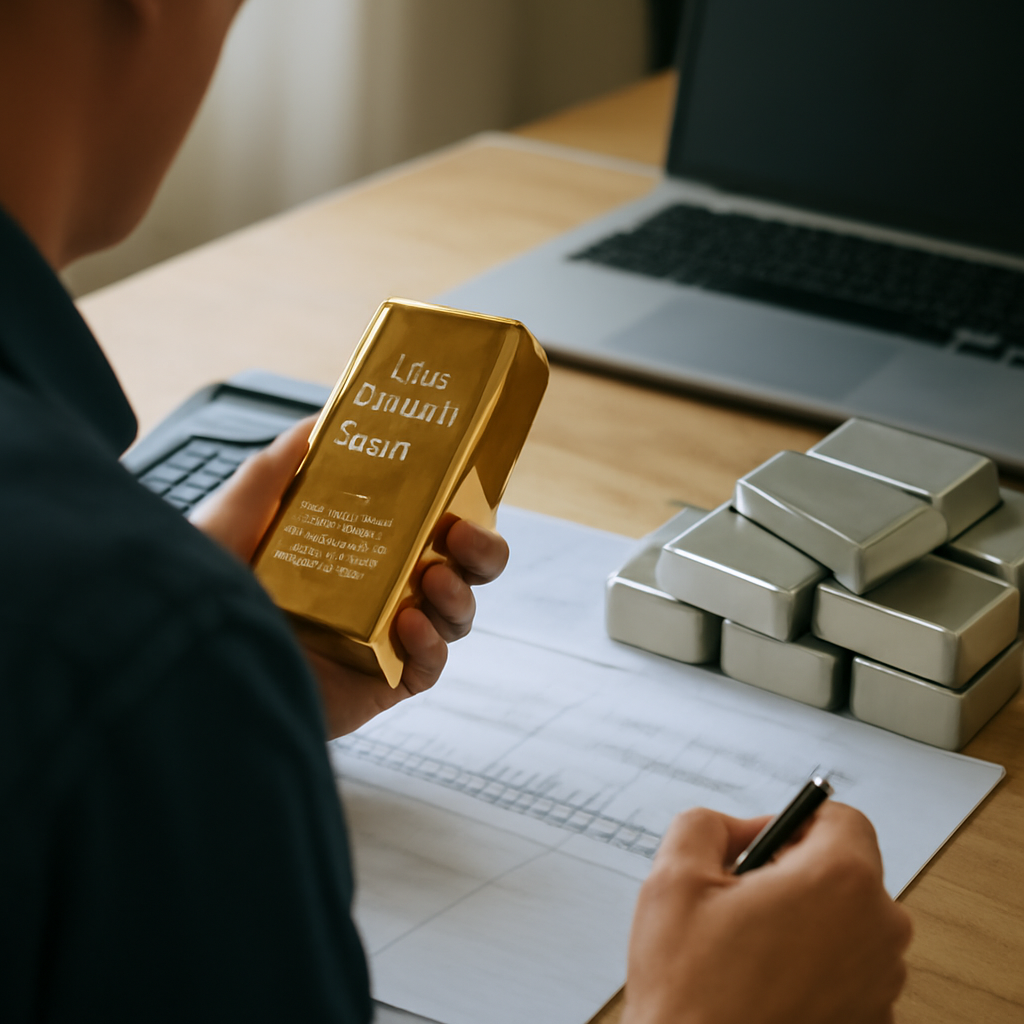
When markets grow uncertain, why do investors instinctively turn to gold and silver? These metals have served as stores of value for millennia, but their role in modern portfolios is more nuanced than simply burying treasure in the backyard. Understanding what drives investors to hold precious metals—and how to evaluate them alongside stocks and bonds—requires looking beyond the mystique to the mechanics.
Gold and silver appeal to investors primarily as insurance policies. Inflation erodes the buying power of cash and conventional bonds. Because precious metals don't depend on the financial health of any government or company, they often move independently from stocks and bonds. When investors worry that inflation will accelerate, or when geopolitical tensions rise, demand for metals typically increases. This doesn't mean they move in lockstep with economic crises; rather, they occupy a distinct niche in a diversified portfolio, helping balance exposure to other assets.
Interest rates matter enormously to precious metal prices. Higher interest rates make holding non-yielding assets like bullion more costly—you earn nothing while your money sits there. Conversely, when rates fall or inflation expectations surge, gold and silver become more attractive relative to bonds. Currency strength also plays a role; precious metals are priced globally in US dollars, so a weaker dollar can push prices higher, while a stronger dollar can push them lower. Additionally, geopolitical crises, trade tensions, and major economic announcements can shift prices sharply within hours or days.
The variety of ways to invest in precious metals means there's no single "right" approach. Physical ownership—bars, coins, or jewelry—offers tangibility and direct control, though it comes with storage and insurance costs. Exchange-traded funds (ETFs) that track gold or silver prices provide exposure without the hassle of safeguarding metal. Some investors prefer Sovereign Gold Bonds, government-issued securities backed by physical gold that often pay a small annual interest, available in certain countries. Digital gold platforms allow fractional ownership and easy buying and selling online. Mining stocks offer leveraged exposure; when metal prices rise, profitable mining companies often see their stock prices climb faster, though this adds company-specific risk to the equation.
Before committing capital, understand that precious metal prices fluctuate constantly. Supply and demand, industrial usage (silver is used in electronics and solar panels), central bank purchases, and sudden news events can all shift prices within minutes. Do not rely on any price figures you may read elsewhere; check a live rate source directly before making any investment decision.
A balanced perspective acknowledges both the strengths and limitations of precious metals. They provide portfolio stability and act as a hedge against certain risks, but they generate no income like dividends or interest. Over decades, stocks have generally outpaced metals in total returns, though precious metals may outperform during specific periods of high inflation or financial stress.
Whether precious metals belong in your portfolio depends on your personal financial situation, investment timeline, risk tolerance, and goals. Some advisors suggest allocating 5 to 10 percent of a diversified portfolio to metals; others recommend none. A qualified financial advisor can help you determine an appropriate allocation based on your complete financial picture and objectives.